Source Large Capacity Insulated Cooler Bag for Travel, Picnic, and Cold Chain
Source a large capacity insulated cooler bag from 30 verified options. Compare features like waterproof Oxford or EPE materials, multilevel adjustable straps, and custom logo printing. Ideal for food storage, outdoor activities, and cold chain logistics; compare the available evidence and request quotations based on your requirements.
Key considerations
Products List


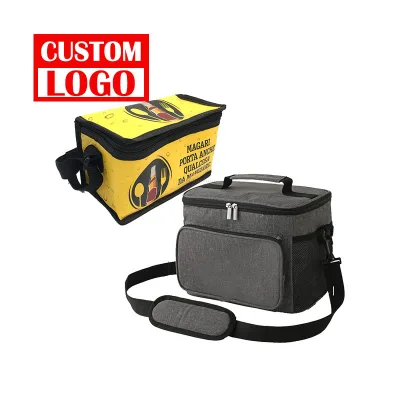


Comprehensive Sourcing Guide
Large Capacity Insulated Cooler Bag Sourcing Guide
Procuring large capacity insulated cooler bags requires a strategic approach that balances thermal performance with logistical efficiency. Buyers must first define the specific use case, whether it involves cold chain logistics for pharmaceuticals, outdoor catering for events, or retail distribution of perishable goods. The market offers a diverse range of options, from soft-sided Oxford fabric bags to rigid foam constructions, each serving distinct operational needs. Understanding the primary application helps narrow down the material selection and structural requirements, ensuring the final product meets both functional demands and budget constraints.
The sourcing landscape is characterized by significant variability in customization capabilities and manufacturing origins. Most suppliers, particularly those based in China, offer extensive customization options, including logo printing, color variations, and size adjustments. This flexibility allows brands to create unique product identities while maintaining cost efficiency. However, this variety also introduces complexity in quality control. Buyers need to establish clear specifications early in the engagement process to avoid discrepancies between samples and bulk production, ensuring that the insulation integrity and durability standards are consistently met across all units.
Product Scope and Observed Listing Signals
The current market listings reveal a wide spectrum of product attributes, with observed prices ranging from $0.09 to $31.90 USD and minimum order quantities (MOQs) spanning from 3 to 20,000 units. This broad range indicates that buyers can source everything from simple promotional items to high-end, durable commercial-grade bags. The presence of both low-MOQ and high-volume suppliers suggests that businesses of all sizes can find suitable partners, provided they align their order volume with the supplier’s production capabilities. Buyers should carefully evaluate the price-to-quality ratio, as extremely low prices may correlate with thinner insulation materials or less durable outer fabrics.
Observed product features highlight key performance indicators such as waterproofing, thermal insulation, and portability. Common materials include polyester, Oxford cloth, and EPE foam, often combined with foil layers for enhanced heat preservation. Many listings emphasize attributes like being lightweight, foldable, and leak-proof, which are critical for user convenience and hygiene. Additionally, the availability of double-shoulder designs and multilevel adjustable straps suggests a focus on ergonomic comfort for heavy loads. Buyers should verify these claims through sample testing, as marketing terms like "waterproof" or "insulated" can vary significantly in actual performance depending on the specific construction and material thickness used.
Technical Specifications to Verify
Verifying technical specifications is crucial for ensuring the cooler bag meets operational requirements. Key parameters to confirm include the single package size, which affects shipping volume and storage efficiency, and the gross weight, which impacts handling logistics. For instance, some listings indicate a single package size of 10x10x2 cm and a gross weight of 0.200 kg, while others offer larger dimensions like 21x17x8 inches. Buyers must clarify whether these dimensions refer to the packed state or the expanded capacity, as this distinction significantly influences palletization strategies and freight costs. Consistency in these metrics across the order is essential for predictable supply chain performance.
The internal structure and closure mechanisms also play a vital role in functionality. Most products feature a main bag compartment with functional layers, such as VMPET or foil EPE foam, to maintain temperature stability. Closure types typically include zippers and hook-and-loop fasteners, which need to be tested for durability and seal integrity. Additionally, the hardness of the material, often described as soft, affects the bag’s ability to conform to irregular shapes and stack efficiently. Buyers should request detailed material breakdowns to understand the composition of each layer, ensuring that the insulation core provides adequate thermal resistance for the intended duration of use, whether for short-term picnics or extended cold chain transport.
Compliance and Safety Documentation
Compliance with international standards is a critical factor, especially for products intended for food contact or pharmaceutical use. Suppliers often cite adherence to standards such as ISO, SGS, EU regulations, CIQ, LFGB, CE, and FDA. These certifications indicate that the materials used are safe for direct or indirect contact with consumables and meet specific quality management criteria. Buyers should request valid certificates for each batch or production run, verifying that the documentation is current and issued by recognized testing bodies. This step is particularly important when sourcing bags for sensitive applications where regulatory non-compliance could result in significant legal and reputational risks.
Beyond material safety, buyers must also consider environmental and industrial compliance. Many listings highlight eco-friendly and recyclable attributes, which align with growing corporate sustainability goals. However, these claims should be substantiated with evidence, such as material safety data sheets or third-party environmental certifications. Additionally, the industrial use cases mentioned, including food, agriculture, apparel, and pharmaceuticals, suggest that the bags may need to meet specific hygiene and contamination control standards. Buyers should inquire about the manufacturing environment and quality control processes to ensure that the products are produced in facilities that maintain the necessary sanitary conditions for their intended application.
Cost Drivers and Commercial Terms
Several factors influence the final cost of insulated cooler bags, with material composition and customization level being primary drivers. Bags made from premium materials like Oxford fabric with multiple insulation layers tend to be more expensive than those using basic polyester or single-layer foam. Customization, including logo printing, custom colors, and unique sizing, adds to the production cost due to setup fees and material waste. Buyers should negotiate clearly on these variables, understanding how each customization option impacts the unit price. Additionally, the MOQ plays a significant role in pricing, with higher volumes typically yielding better per-unit costs due to economies of scale in production and material procurement.
Commercial terms such as packaging and shipping methods also affect the total landed cost. Listings indicate various packaging options, including carton, film pallet, and plastic bag packaging, each with different implications for protection and handling. Buyers should specify the preferred packaging method to minimize damage during transit and optimize warehouse space. Furthermore, lead times and payment terms should be clearly defined in the contract to avoid delays and cash flow issues. It is advisable to establish a clear communication channel for updates on production status and to include penalties for late delivery in the agreement, ensuring that the supply chain remains reliable and predictable.
Supplier Qualification and Quality Control
Selecting a qualified supplier involves rigorous due diligence to ensure consistent product quality and reliable service. Buyers should verify the supplier’s manufacturing capabilities, including production capacity, quality control processes, and past performance with similar clients. Requesting references and conducting site audits, if possible, can provide valuable insights into the supplier’s operational efficiency and commitment to quality. Additionally, checking for relevant business licenses and export credentials is essential to ensure the supplier is legally authorized to operate and ship internationally. A transparent and responsive supplier is more likely to address issues promptly and maintain high standards throughout the production process.
Quality control measures should be implemented at multiple stages, from raw material inspection to final product testing. Buyers should define clear acceptance criteria for key attributes such as insulation performance, zipper durability, and fabric strength. Conducting pre-shipment inspections is a critical step to identify and rectify any defects before the goods leave the factory. It is also advisable to establish a sample approval process, where the final production sample is compared against the agreed specifications before bulk manufacturing begins. This proactive approach helps minimize the risk of receiving non-conforming products and ensures that the final shipment meets the buyer’s expectations for quality and performance.
Long-Term Procurement Checks
Establishing long-term procurement relationships requires ongoing monitoring and evaluation of supplier performance. Buyers should regularly review key performance indicators such as on-time delivery rates, product defect rates, and responsiveness to issues. Maintaining open communication channels and conducting periodic business reviews can help identify areas for improvement and strengthen the partnership. Additionally, staying informed about market trends and technological advancements in insulation materials can help buyers make informed decisions about product upgrades or changes in sourcing strategies. A proactive approach to supplier management ensures that the supply chain remains resilient and adaptable to changing business needs.
Continuous improvement should be a shared goal between the buyer and the supplier. Collaborating on product development, such as exploring new materials or design innovations, can lead to cost savings and enhanced product value. Buyers should also consider the environmental impact of their procurement decisions, working with suppliers to reduce waste and improve sustainability practices. By fostering a culture of continuous improvement and mutual trust, buyers can build a robust supply chain that supports long-term business success. Regularly reassessing supplier qualifications and market conditions ensures that the procurement strategy remains aligned with the company’s strategic objectives and customer expectations.
FAQs
What materials are used for large capacity insulated cooler bags?
These bags typically utilize Oxford fabric for the exterior and EPE foam for insulation. Some models incorporate foil EPE foam or VMPET layers to enhance thermal retention. The combination of durable outer materials and soft, lightweight internal structures ensures the bag remains easy to carry while effectively keeping contents cold or warm during transport.
Can I customize the logo on these insulated bags?
Yes, customization is available for branding purposes. Buyers can add their own logo to the product surface. This service allows businesses to create promotional gifts or branded merchandise. The customization options support various design requirements, ensuring the final product aligns with specific corporate identity standards or marketing campaign visuals for effective brand exposure.
What is the typical capacity range for these cooler bags?
The capacity ranges from 15 liters to 30 liters. Specific models offer volumes such as 20 L, 24 L, and 30 L to accommodate different storage needs. This size range supports the large capacity requirement, making them suitable for picnics, outdoor activities, or transporting multiple beverages and food items while maintaining structural integrity and portability.
Are these bags waterproof and suitable for cold chain use?
Yes, the bags are designed to be waterproof and water-resistant. They feature leak-proof construction and insulated layers to maintain temperature control. This makes them ideal for cold chain applications, ensuring that perishable items remain fresh. The durable materials also provide resistance against moisture, protecting the contents from external environmental factors during transit or storage.
What certifications do these insulated bags meet?
The products comply with various international standards including ISO, SGS, EU, CIQ, LFGB, CE, and FDA. These certifications ensure safety and quality for food contact and general use. Buyers can verify that the manufacturing processes and materials meet rigorous regulatory requirements, providing confidence in the product's reliability for commercial distribution and consumer safety across different markets.
How are these bags packaged for shipping?
Packaging methods include carton packing, film pallet packaging, and plastic bag packaging. Some items are packed in PP bags or individual bags. The packaging is designed to protect the product during transit while optimizing space efficiency. This ensures that the bags arrive in good condition, ready for distribution, and minimizes damage risks during handling and long-distance logistics operations.